The Joro spider (Trichonephila clavata) is an orb-weaving spider native to East Asia, including Japan, Korea, China, and parts of Southeast Asia. It was first detected in the United States around 2014 in northeast Georgia and has since spread throughout the Southeast, including parts of South Carolina, Tennessee, and western North Carolina. Known for its large, intricate golden webs and striking coloration, the Joro spider has quickly become a noticeable and sometimes misunderstood resident in many communities. Despite their intimidating size and appearance, Joro spiders are considered harmless to humans and pets. Their fangs are small and rarely able to pierce human skin, and if a bite does occur, symptoms are typically mild and comparable to a mosquito bite.
Joro Spider
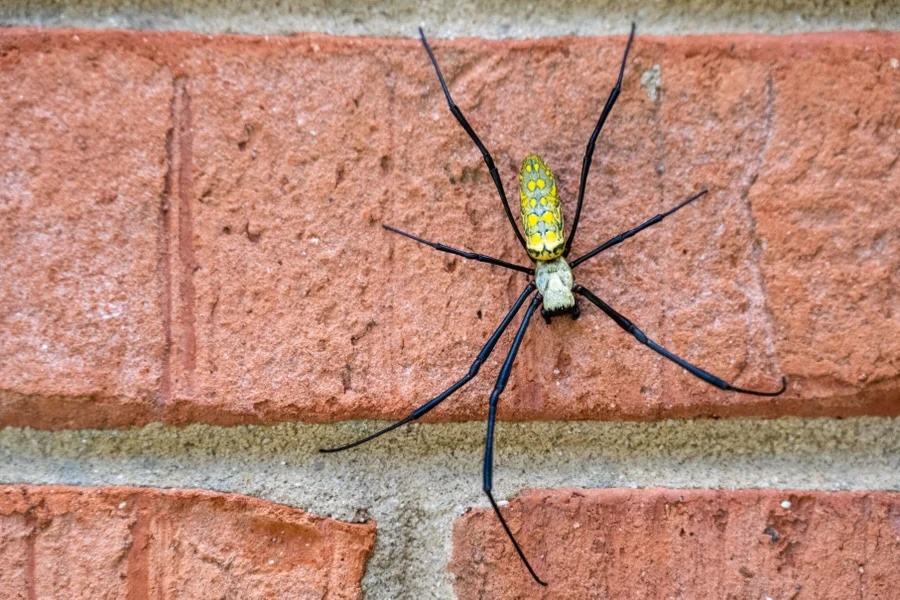
Adult female Joro spiders are easy to identify. They are much larger and more colorful than males, with a body length of up to an inch and a leg span reaching three to four inches. Females display bright yellow and blue or black striping on their bodies, with red markings on their undersides. Males are smaller, slimmer, and dull brown in color. The females build large, wheel-shaped webs that can stretch several feet across trees, porches, and utility lines. Their silk often has a golden tint, particularly in sunlight. Joro spiders typically hatch in the spring after overwintering as eggs. The young spiderlings can travel to new locations by “ballooning,” releasing silk threads that catch the wind. Adults become most visible in late summer and fall before dying off in the winter after laying eggs.
Since their arrival, Joro spiders have been steadily expanding their range in the eastern United States. Research suggests that they can survive colder temperatures than previously expected, making their continued spread into the mid-Atlantic and even northern states likely. The primary way these spiders disperse long distances is through human activity, hitching rides on vehicles, plants, or outdoor equipment. Ecologically, Joro spiders compete with native orb-weaver species and have been found to reduce local orb-weaver populations where they become abundant. However, they also consume a wide range of insects, including pest species like mosquitoes, and may provide some ecological benefits by helping control insect populations. Their long-term impact on ecosystems is still being studied.
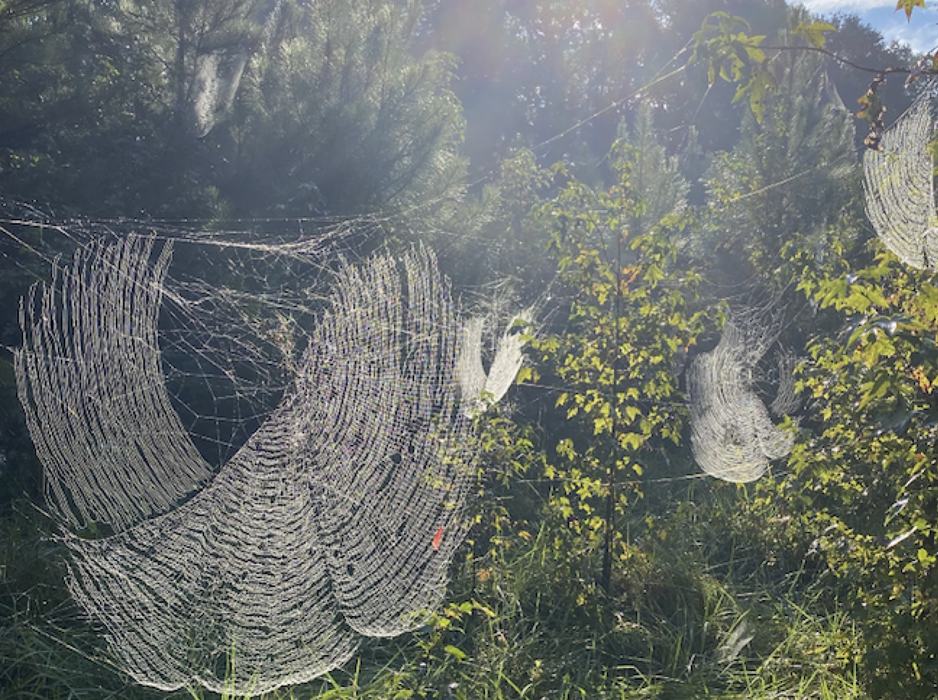
Because they are not aggressive and pose no threat to people or pets, chemical control is not advised. If a web is built in a high-traffic area, it can simply be swept away, and the spider terminated. Joro spiders tend to rebuild elsewhere when disturbed and are generally not persistent around busy spaces. If chemical treatments are used, they should be applied sparingly, as they can harm beneficial insects and pollinators.
One of the best ways the public can assist scientists is by helping track the Joro spider’s spread. Citizen scientists are encouraged to document sightings using theiNaturalist appor website. To report a sighting, take clear photographs of the spider (including both top and underside views if possible), upload them to iNaturalist, and include the date, location, and habitat description. The app will assist with species identification, and the observation will automatically contribute to ongoing research projects like “Project Joro.” These community reports help researchers monitor distribution patterns and understand how quickly the species is expanding its range.
In North Carolina, for example, sightings have been verified in several western counties, including Clay County, with the North Carolina Cooperative Extension urging residents to report new observations through iNaturalist. As the Joro spider continues its slow but steady spread through the Southeast, public participation in documenting sightings will play a key role in understanding its ecological effects and helping researchers determine how best to manage this new, colorful neighbor.
Join our mailing list!
Enter your email address to receive updates.