My granddaughter is getting married next month, and her bridesmaids are wearing blue. It’s such a lovely color, although I have yet to find my blue dress! Well, the gardening world also has a blue problem. Less than 10% of the world’s 300,000+ plant species are blue. It’s one of the reasons that ancient cultures valued blueish fabric dyes so highly. It’s still an elusive goal for plant breeders today, trying for that blue rose or carnation. While we wait, however, there are some lovely choices for adding soothing, calming, and relaxing blues to your garden.
Three native spring ephemerals do beautifully in moist, shaded locations. Jacob’s Ladder boasts arching stems close to the ground. Virginia Bluebells are eye-popping when massed together, attracting butterflies and hummingbirds. Woodland Phlox offers both blue flowers and fragrance. All three of these will die back by early summer, but in the right location are stunners. A non-native spring bloomer for shady locations is Brunnera Macrophylla, ‘Jack Frost’. The forget-me-not flowers are the most radiant I have ever seen. In addition, the variegated leaves look lovely all summer. I can’t leave the shade without mentioning wild violets. Oh, I know that many of you consider them weeds, and yes, they have appeared in my garden without asking permission first, but they are perky harbingers of Spring, providing nectar and pollen when food sources are scarce. The flowers also make exquisite food decorations, either plain or sugared (harvested from areas where no pesticides have been used), as they are edible. The pansy was developed from these wild cousins.
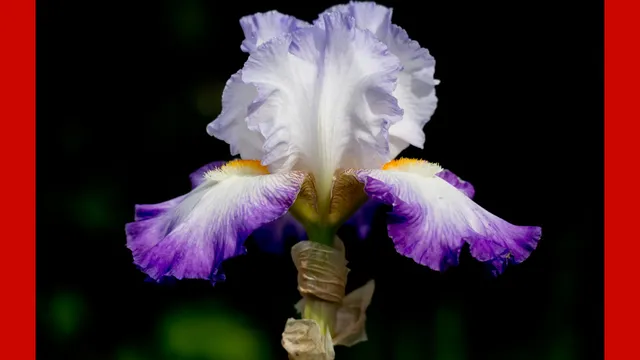
The sun increases the variety of blues from which to choose. With over 300 species available, the Iris is one amazing plant. There are native varieties (Louisiana, blue flag, etc.) and bearded types that can re-bloom and come in gobs of colors. They are somewhat difficult to use in arrangements as the blooms don’t last long, but I can’t imagine a garden without them. Their sword-like leaves offer a vertical accent when not in bloom. I asked our MG plant expert her favorite blue, and she immediately chose the native Amsonia. While the spring blue flowers are a bit icy, the fern-like foliage offers texture all summer and colors up stunningly in the fall, making this a three-season delight. She also suggested Bachelor Buttons.The blue of these flowers is outstanding. They can be naturalized and make great cut flowers. Self-seeding is an issue, so you may get more than you gardened for. Corning Glass Works used images of these for their initial oven-to-tableware line. Bet some of you still have a few pieces! One of my favorite blues is Baptisia australis, a native perennial that is heat and drought-tolerant and good in clay soil. The variety ‘Sparkling Sapphires’ is gorgeous. Another easy, hardy perennial is Nepeta or Catmint. It’s long-blooming, deer and rabbit-resistant, drought-tolerant, and beloved by pollinators. ‘Walker’s Low’ and ‘Cat’s Pajamas’ are two good varieties. They benefit from a shearing after flowering to extend their blooming period. Even with the small numbers of blues, I could go on and on. Have fun finding your favorites.
The Clay County Master Gardeners will be having their annual plant sale May 15-17 at the Downtown Discovery Garden. Friday & Saturday, the sale will run 9 AM – 3 PM, and Sunday, 1 PM – 3 PM. All proceeds benefit the Extension Master Gardener community programs.